
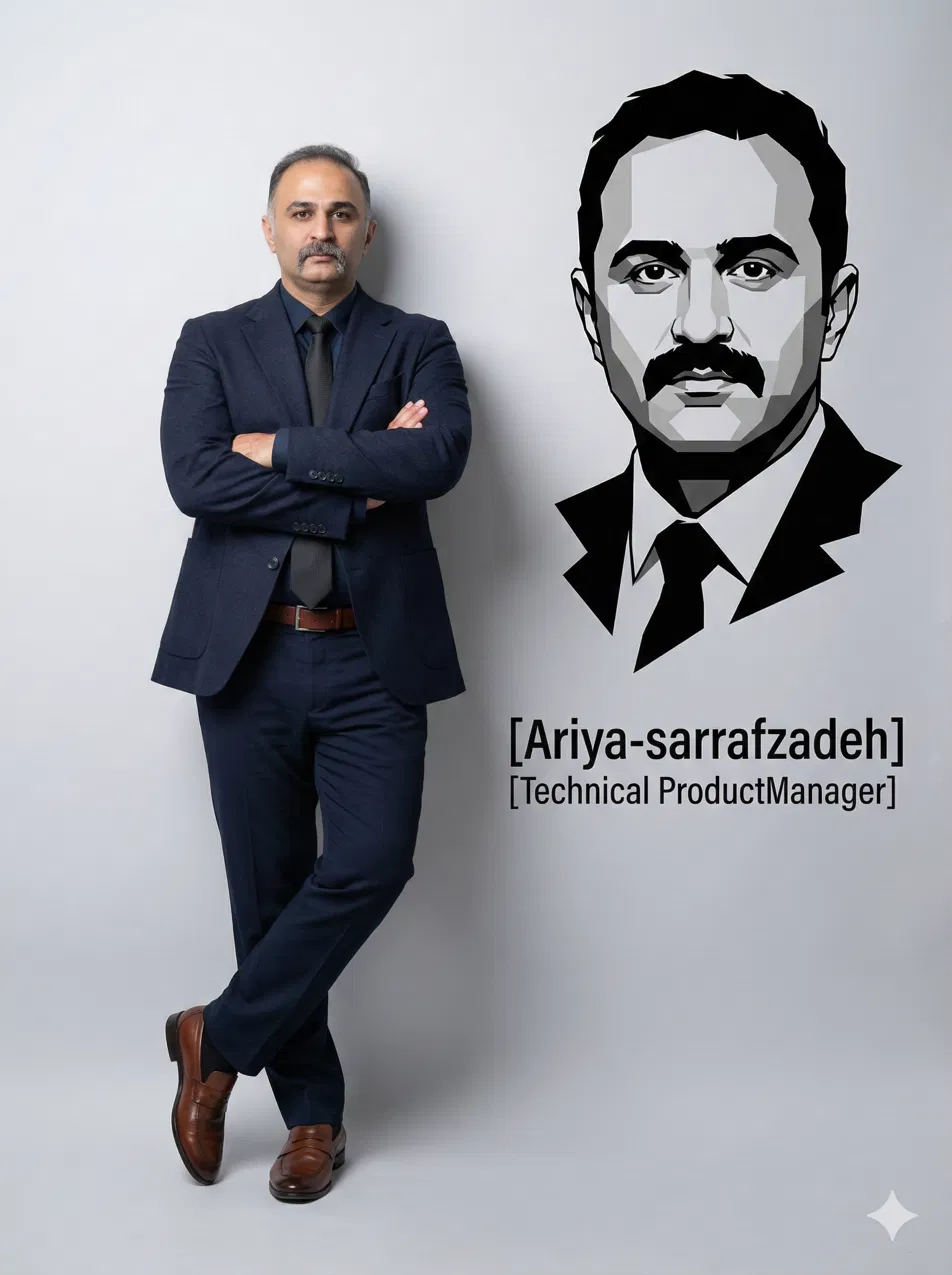
Systems that hold under pressure.
I work at the intersection of systems architecture, engineering, and product thinking—designing dependable technology for complex, high-stakes environments.
15+ years engineering high-availability banking switches, sub-30ms ISO 8583 multi-PSP routing, two-phase balance reservation machines with zero financial drift, and national SMPP 3.4 telecom gateways handling 50,000 TPS burst capacity.
The Double-Entry Ledger & Two-Phase Balance Reservation Engine

- •Single Source of Financial Truth: Strict Σ Debits − Σ Credits = 0 mathematical balance enforcement across ScyllaDB and PostgreSQL ACID fact tables.
- •Two-Phase Reservation: Transitions capital from
AVAILABLEtoRESERVEDprior to dispatching upstream bank webhooks. - •Distributed Idempotency: Redis atomic
SETNXmutex locks (15,000ms SETNX) with a 24-hour expiration window (86,400s (24h)).
- •Upstream Banking Timeouts: Handled via transactional outbox pattern and Raft-backed distributed state recovery, rejecting uncommitted transient states.
- •Automated Rollback: Expired balance reservations automatically revert to
AVAILABLEupon receipt of failure webhooks or TTL expiry. - •Production Impact: 100% mathematical parity across 50,000+ daily events with zero duplicate payouts during upstream PSP brownouts.
Why this, why then: Inconsistent ledger states and ghost balances during high-concurrency wallet checkouts threatened regulatory standing.
What I traded off: Enforced strict synchronous two-phase balance reservation over raw optimistic write throughput.
Who pushed back, and how it resolved: Growth stakeholders favored sub-10ms unreserved checkouts. I demonstrated that preventing unbacked overdraws was mandatory for Central Bank audit.
Business result: Maintained 100% mathematical ledger parity across 50,000+ daily events with zero duplicate payouts.


